

Industrial laundry.
Built around your business.
Commercial washer-extractors and tumble dryers, direct from MEIDI in Shanghai. Explore equipment for your laundry operation, with OEM and ODM cooperation available.
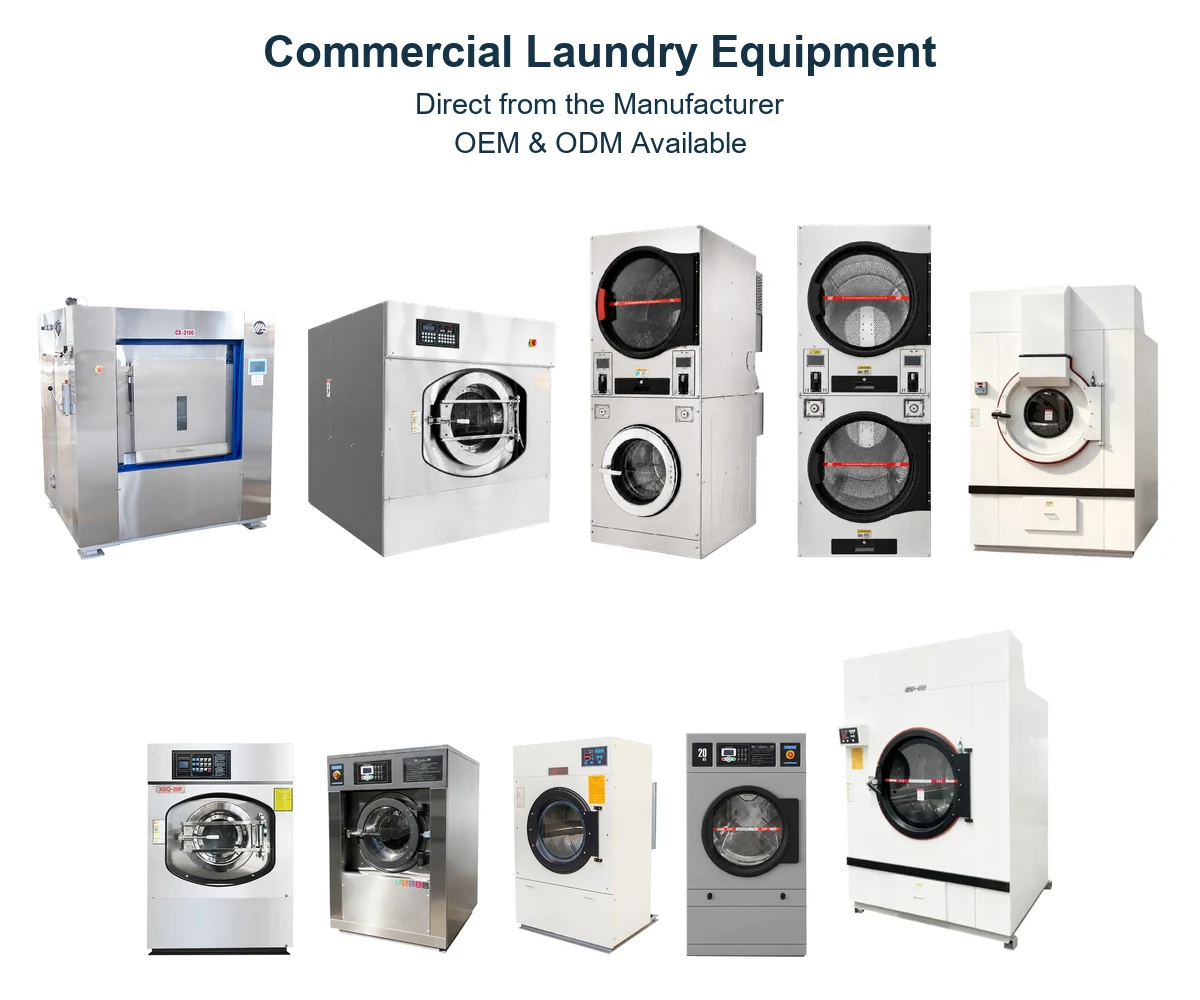
Find your laundry equipment.
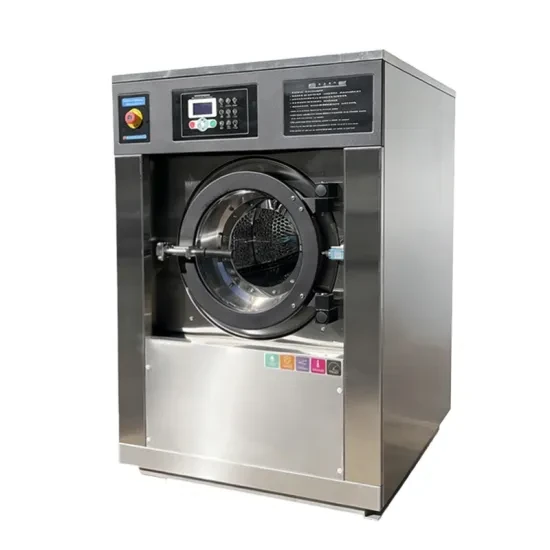
XGQ-X Commercial Washer-Extractor
Available capacities: 16 / 22 / 25 kg.
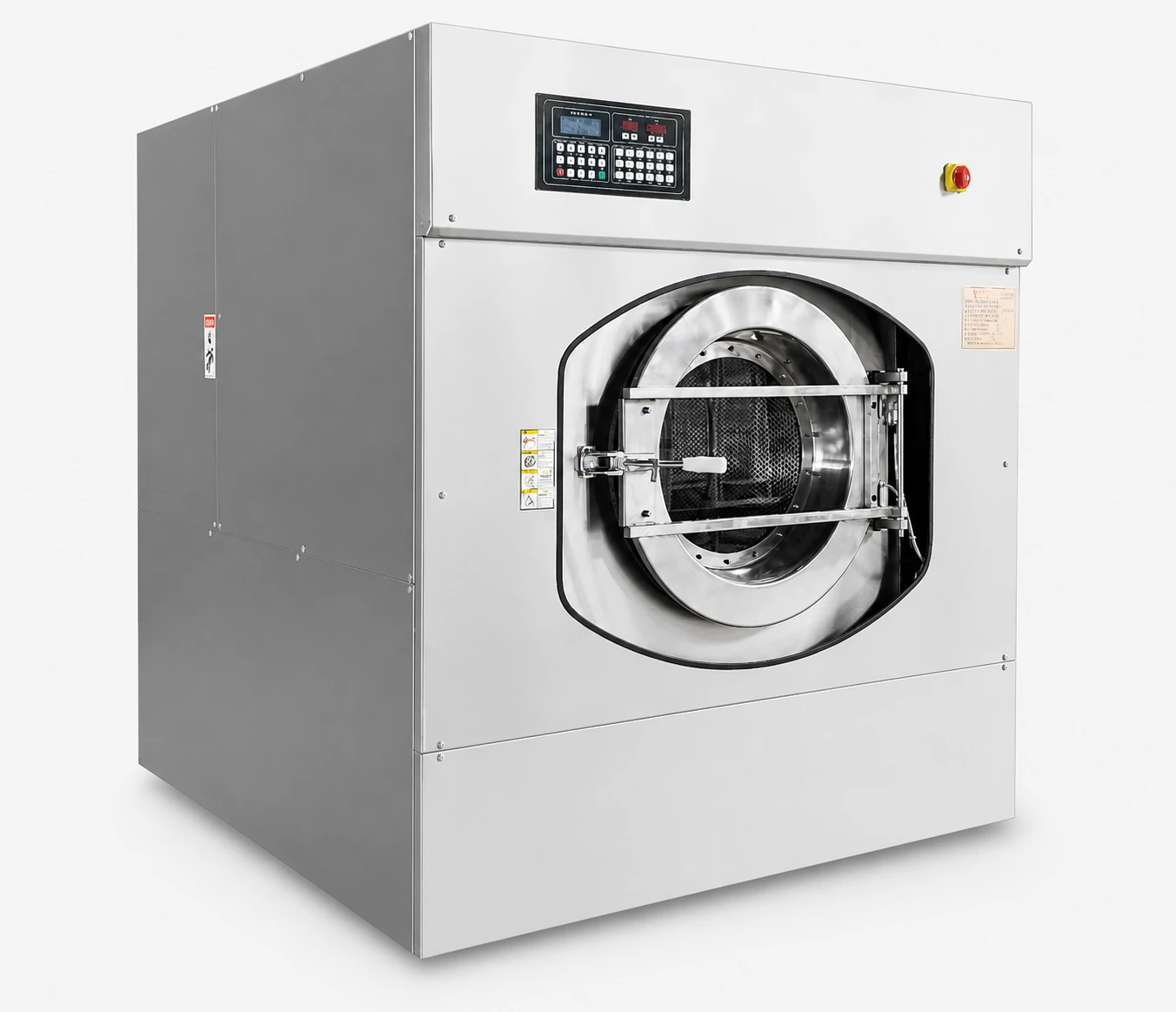
Industrial Washer-Extractor
Available capacities: 50 / 70 / 100 / 110 kg.
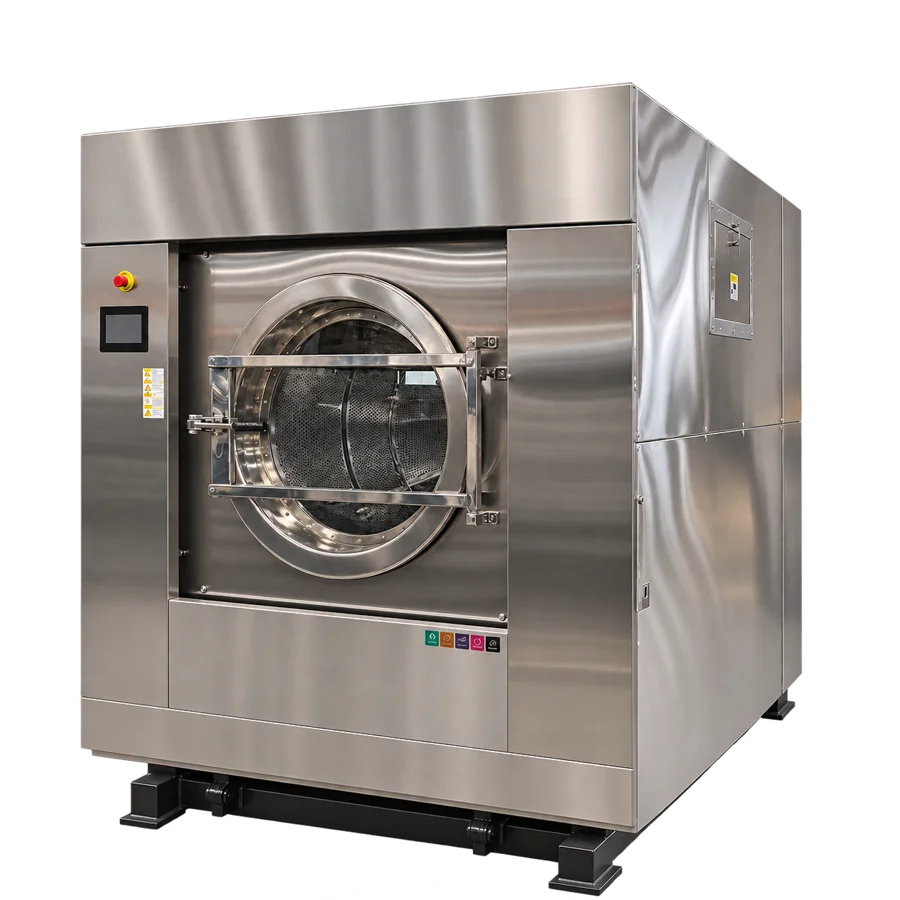
Tilting Industrial Washer-Extractor
Available capacities: 120 / 130 kg.
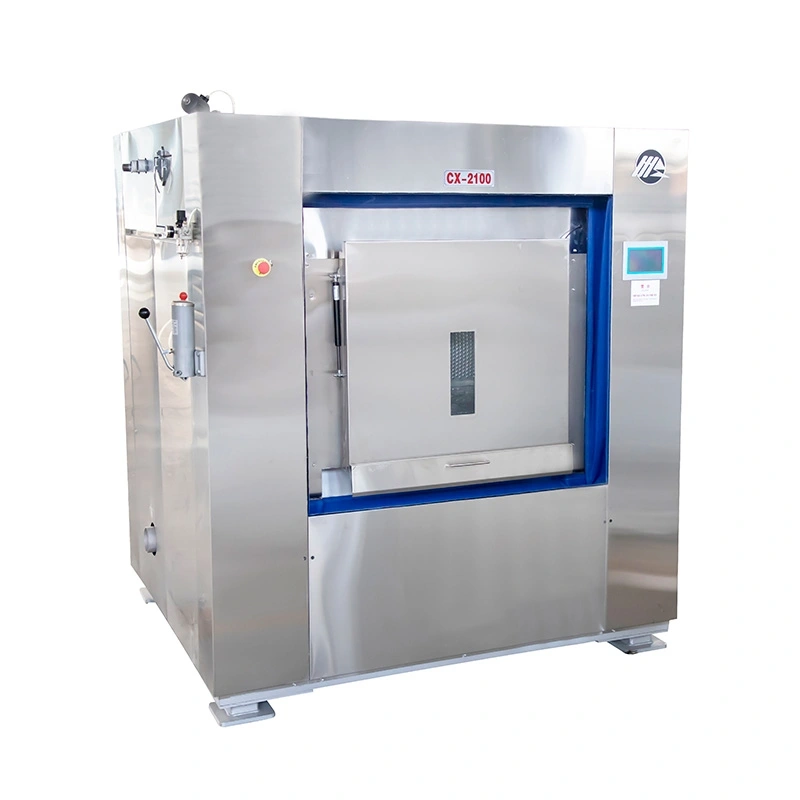
Hygienic Barrier Washer-Extractor
Available capacities: 30 / 50 / 70 / 100 / 150 kg.
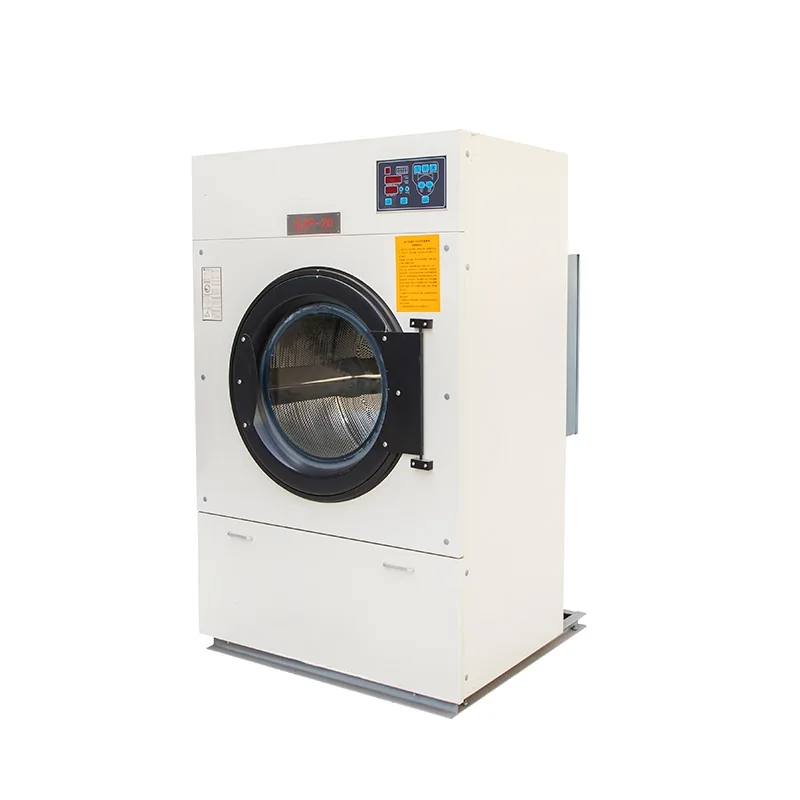
Commercial Tumble Dryer
Available capacities: 12 / 15 / 20 / 30 kg.
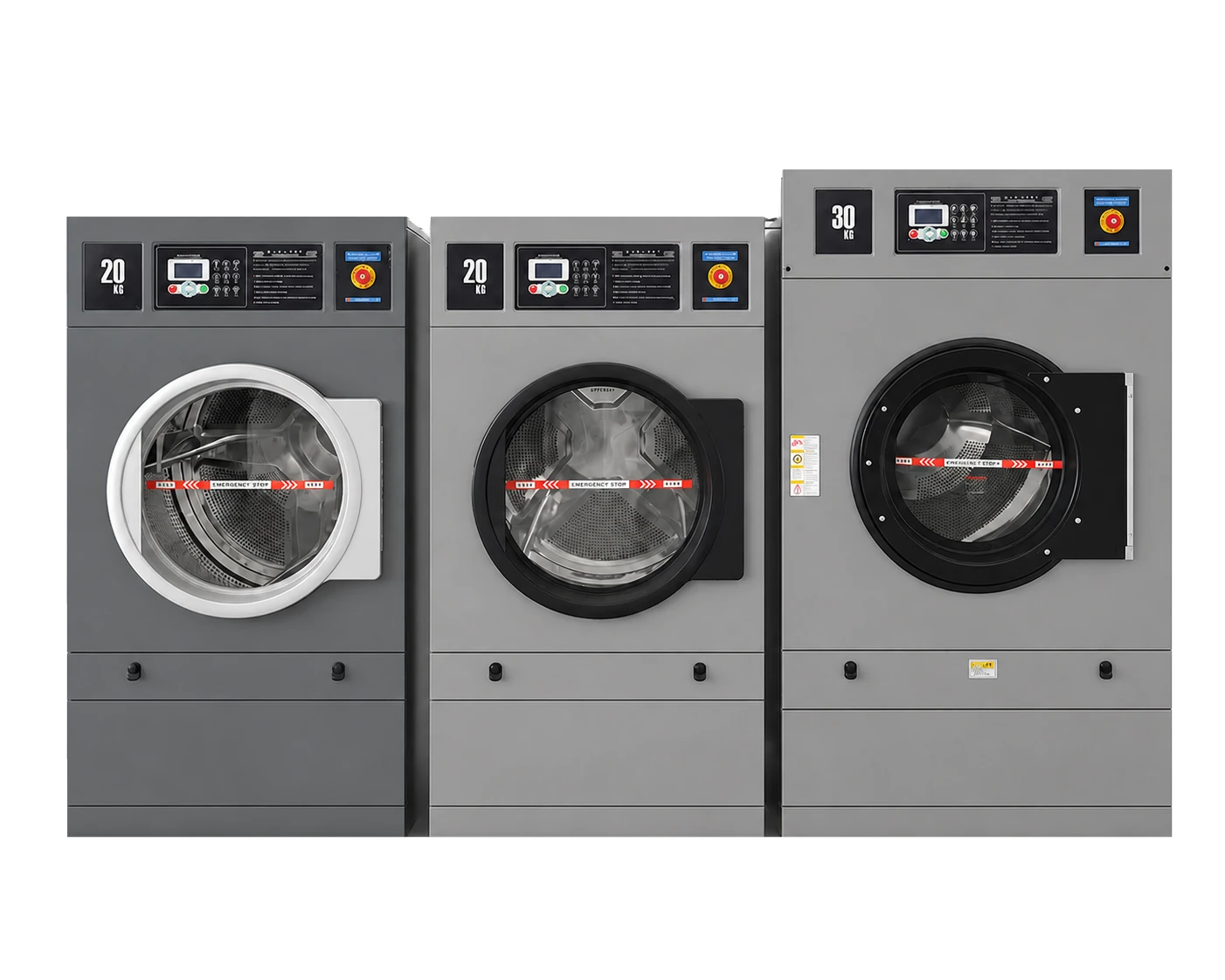
GZP-X Commercial Tumble Dryer
Available capacities: 20 / 30 kg.
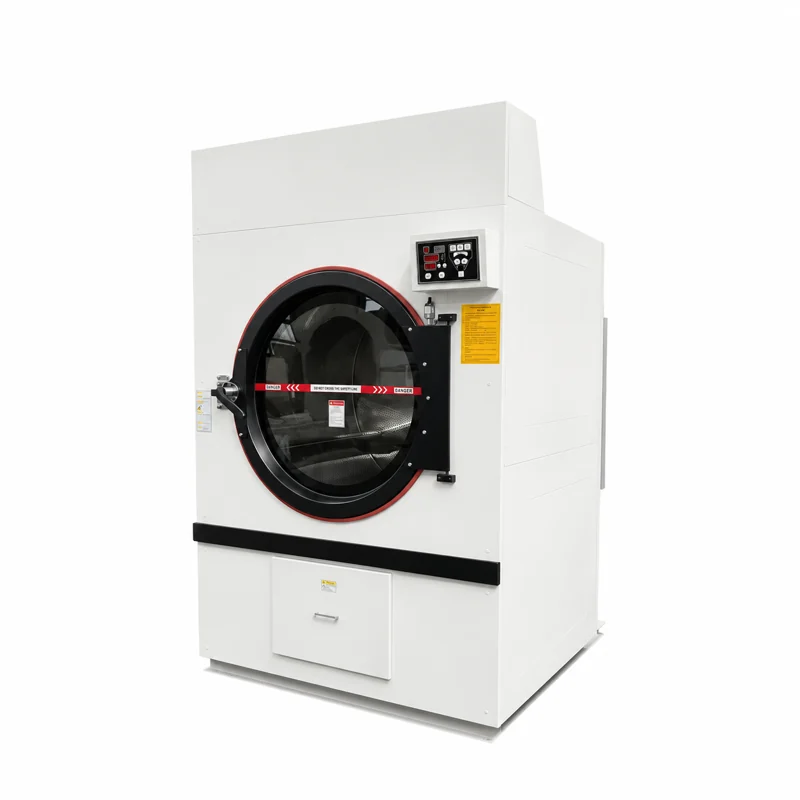
Industrial Tumble Dryer
Available capacities: 50 / 70 / 100 / 120 kg.
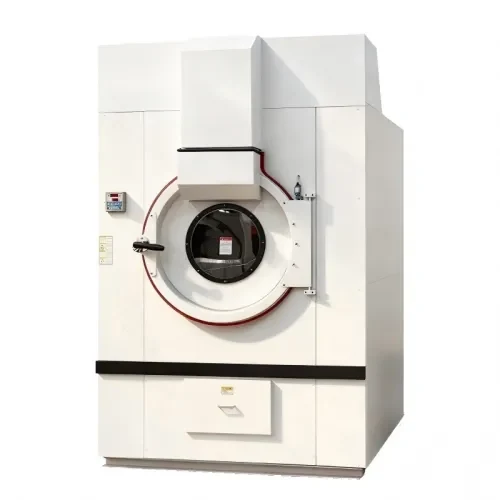
Energy-efficient Tumble Dryer
Available capacities: 50 / 100 / 120 kg.
Your equipment. Our manufacturing expertise.
Discuss OEM and ODM cooperation with the MEIDI factory team.
Your laundry.
Your requirements.
Every operation has a different workload. Tell us about yours, and let’s discuss a suitable equipment configuration.
Talk to our teamHotels & guest accommodation
Plan around your linen volume, operating hours and available space.
Commercial laundries
Coordinate washing and drying with your daily processing needs.
Gyms, spas & wellness
Plan washing and drying around towel turnover and peak demand.
Workwear & uniforms
Discuss fabric care, soil levels and separate processing requirements.
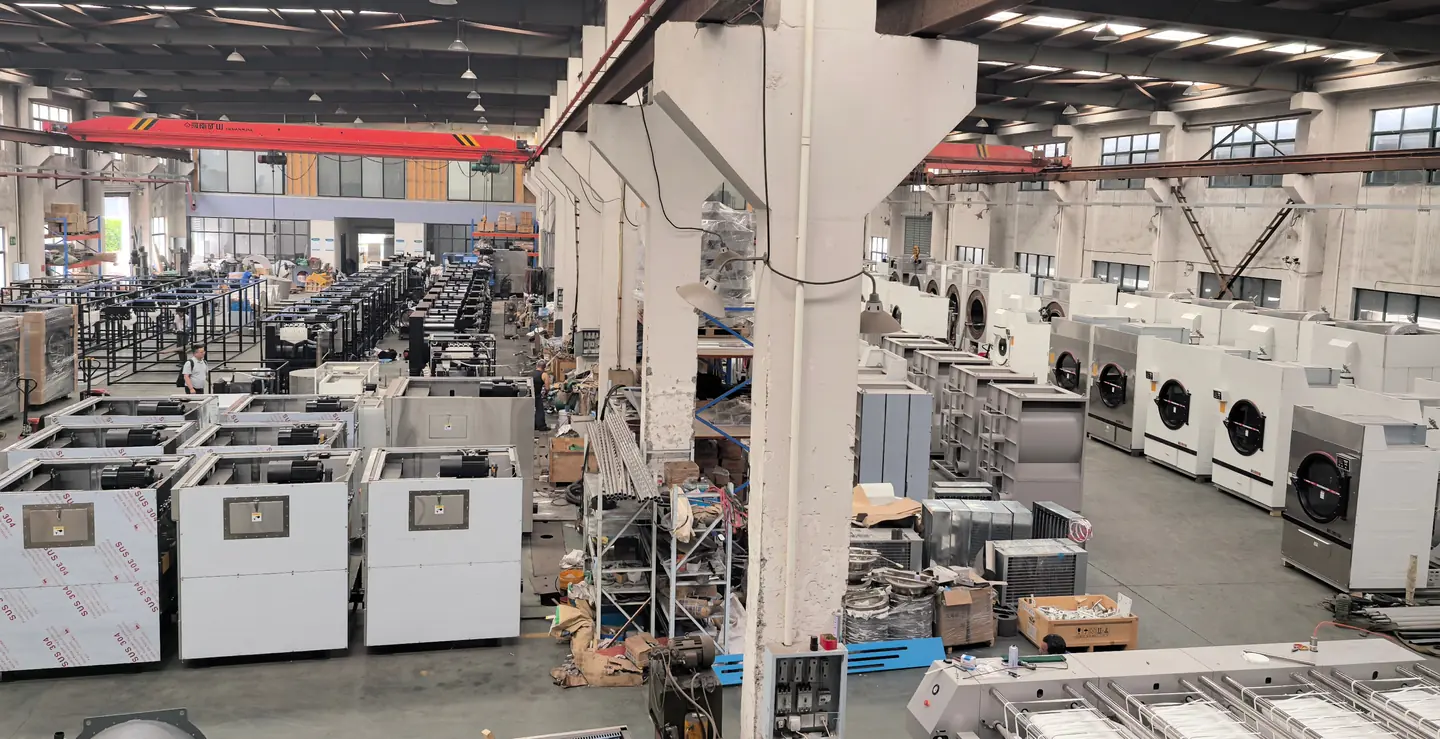
A source factory.
A practical partnership.
MEIDI Laundry Equipment is a Shanghai-based source factory for commercial and industrial laundry equipment, supplying multiple international markets. Our focus here is washer-extractors and tumble dryers.
OEM and ODM cooperation is available. Discuss your capacity, utilities, branding and project requirements directly with our manufacturing team.
Get to know MEIDIPractical insights for your laundry.
Plan washing and drying together
Look at the full workflow before choosing an individual machine.
Five details to include in your laundry equipment enquiry
Make your first conversation with a supplier more useful.
International Washer and Dryer Buying Comparison Checklist
Build a washer and dryer comparison schedule around the intended workload, not just nominal capacity.
Laundry Equipment Local Service and Stock Claims: Evidence to Request
Claims of local service or stock should be supported by current, specific information: service area, responsible organisation, contact route and the relevant equipment or parts availability.
Remote Laundry Equipment Commissioning Support: Defining the Order Scope
Describe remote commissioning support in terms of actual scope, communication method, working hours, required on-site competence and documentation.
Overseas Laundry Equipment Warranty: Clarifying the Service Scope
An overseas laundry order should define warranty duration, covered items, exclusions, claim procedure and responsibility for parts, labour, travel and shipping.
International Laundry Projects: Resolving Specifications Before Production
Use a shared specification schedule to resolve questions between the manufacturer and overseas contractor.
Imported Laundry Equipment: Local Approval Questions for Your Specialist
Ask the responsible local specialist which equipment documents, inspections or approvals apply to the exact installation and intended use.
Commercial Laundry Electrical Compatibility: Why Voltage Alone Is Insufficient
Voltage is only one part of electrical compatibility.
How can a multilingual operator team prepare for English commercial laundry machine controls?
A multilingual team needs clear, approved explanations of the machine controls and the actions each role is authorised to take.
Plan your laundry with confidence.
Explore equipment sizing, operating costs and installation questions before choosing your washing and drying equipment.
01Capacity & equipment selection8 questions
What is a commercial washer-extractor?
A washer-extractor washes, rinses and spins laundry in the same drum. Extraction removes water mechanically before drying; it does not leave the textiles fully dry. Choose the machine around your batch size, fabric mix and available processing time.
What washer-extractor capacities does MEIDI offer?
Our commercial and industrial washer-extractor range covers 15, 20, 25, 30, 50, 70, 100, 110, 120 and 130 kg. Send your usual batch weights and daily volume so we can discuss a suitable size and model configuration.
How do I calculate the washer capacity my laundry needs?
Measure dry laundry by textile group over several representative days. Divide each group's workload by the batches you can complete during the shift, allowing for loading, unloading and delays. Check that the resulting batch also fits the drum by volume.
Is washing-machine capacity measured in dry or wet laundry?
Nominal load capacity normally refers to dry textile weight. Weigh the laundry before washing when planning loads. Bulky bedding may fill the drum before it reaches the rated weight, so capacity and drum volume should be considered together.
How do I compare washer capacities in kilograms and pounds?
Multiply kilograms by approximately 2.205 to obtain pounds. For example, 20 kg is about 44 lb, 30 kg about 66 lb and 50 kg about 110 lb. Converted weights are comparisons, not separate MEIDI model ratings.
Should I buy a 20 kg, 25 kg or 30 kg commercial washer?
Compare the dry weight and bulk of your regular sorted batches. A larger machine can accommodate larger batches, but it may not suit frequent small loads. Also compare drum volume, utility demand, floor space and the drying capacity available after each wash.
When should I consider a 50 kg, 70 kg or larger industrial washer?
Consider these sizes when regular, separately sorted loads justify the capacity and your site can support the installation. A large daily total alone is insufficient: small batches of different colours or fabrics may be better served by several smaller machines.
Is one large washer better than two smaller washers?
One large machine can simplify processing of consistent bulk loads. Two smaller machines offer more flexibility for separating fabrics and scheduling work, and can leave some capacity available during maintenance. Compare the complete installation and staffing costs for both layouts.
02Hotels, linen & business applications8 questions
How do I choose a washing machine for a hotel laundry?
Record occupied rooms, linen changes, towel use, restaurant linen and staff uniforms, then weigh the actual dry loads. Size the laundry around the available shift and peak turnaround periods. Room count alone cannot determine the required machine capacity.
What washing equipment does a commercial linen service need?
Start with customer volumes, collection schedules and separate linen categories. Compare batch capacity, programme flexibility, extraction performance and the ability to keep work moving when a machine is serviced. Plan washing alongside drying and clean-linen handling.
Can a commercial washer-extractor wash towels from a gym or spa?
Suitably washable towels can be processed with a programme and detergent matched to the fabric and soil. Record towel weights and peak collection times. Tell us about oils or treatment products so the wash process can be discussed with your chemical supplier.
What should a restaurant check before buying a linen washer?
Identify the fabric, grease and food-soil levels, daily table-linen volume and required turnaround. Keep kitchen cloths and other laundry streams appropriately separated. Ask about programme control, dosing and rinse requirements rather than selecting solely by drum size.
Can these washers be considered for care homes or healthcare laundries?
These projects need an equipment and process assessment against the facility's hygiene requirements. A standard washer-extractor is not automatically a barrier washer or a validated disinfection system. Provide the required process and documentation before selecting equipment.
How should I select a washer for staff uniforms or workwear?
Describe the fabric, coatings, fasteners and contamination, along with the garment maker's care instructions. Ordinary uniforms and specialist protective clothing can require different processes. Do not assume a general laundry programme is approved for protective equipment.
Can industrial washers process duvets, comforters and blankets?
Only process items permitted for machine washing by their care instructions. Compare drum volume, door opening and the space needed for wash action, not just dry weight. Send the dimensions and construction of bulky items when requesting a machine proposal.
What should a contract cleaning company look for in a washer?
Describe the mop heads, cloths and workwear being processed, including fibres and chemicals. Check appropriate programmes, dosing and drainage arrangements for the textile stream. Plan separate handling of soiled and clean items to prevent recontamination.
03Performance & running costs8 questions
What is the difference between a hard-mount and a soft-mount washer?
A hard-mount machine transmits operating forces to its foundation; a soft-mount design uses suspension to reduce transmitted vibration. Installation requirements remain model-specific. Have the floor, anchoring and dynamic loads checked against the installation drawing.
Is extraction G-force the same as spin speed in rpm?
No. Rpm measures drum rotation speed; G-force also depends on drum radius. Comparing rpm alone can misrepresent extraction performance. Ask for model-specific extraction information and the expected residual moisture for the textiles you process.
Can a high-extraction washer reduce drying time?
Removing more water during extraction can reduce the work required in the dryer. The result depends on fabric, load and programme, and delicate items may need gentler extraction. Compare the washer and dryer as a complete process rather than relying on spin speed alone.
How long does a commercial washing cycle take?
Cycle time varies with the programme, temperature, soil level, filling, heating and drainage. Loading and unloading add time between batches. Ask for a cycle estimate using your actual textiles and utilities before calculating daily production.
How much water does an industrial washer use per cycle?
There is no single consumption figure for every load and programme. Water levels, rinses, load size and any optional recovery arrangement affect use. Request consumption data with the test programme and load conditions stated so that quotations can be compared fairly.
How much electricity does a commercial washer consume?
Consumption depends on motors, water heating, cycle settings and incoming water temperature. Connected power in kW is not the same as energy consumed in kWh. Request cycle energy data for the proposed heating configuration and apply your local energy tariff.
How can I estimate laundry washing cost per kilogram?
Add water, wastewater, energy, chemicals, labour and maintenance for a representative period, then divide by kilograms successfully processed. Include rewash and downtime in the calculation. Compare machines using the same workload and assumptions.
What affects the purchase price of an industrial washer-extractor?
Capacity, suspension, controls, heating, dosing, materials and electrical configuration can affect the price. Freight, installation and project documentation may be separate. Request an itemised quotation with the model, scope and exclusions clearly stated.
04Installation & site requirements8 questions
Does an industrial washing machine require three-phase power?
The required supply depends on the model and heating arrangement. Send the measured site voltage, frequency, phase and available electrical capacity. A qualified electrician should compare these with the proposed machine's electrical specification before an order is confirmed.
Can I order a washer for a 50 Hz or 60 Hz power supply?
Include the site's frequency as well as voltage and phase in your enquiry. Motors, controls and heating must be suitable for the supplied configuration. Do not assume changing a plug or adding a transformer makes a machine compatible.
What water connections should I prepare for a washer-extractor?
Use the proposed model's installation drawing to check connection sizes, inlet pressure, flow and any hot-water requirement. Several machines filling at once can affect supply. Discuss water quality and heating arrangements before finalising the room layout.
What drainage does a commercial washing machine need?
Check the outlet type, discharge rate and installation height against the machine drawing. The drainage system must accommodate simultaneous discharge where relevant. Ask your installer to assess the route and local wastewater requirements before equipment arrives.
Can a soft-mount washer be installed on an upper floor?
Suspension alone does not establish that an upper-floor installation is suitable. A structural assessment should consider machine weight, loaded weight and dynamic forces. Obtain the model's installation information and have the proposed location assessed before purchase.
How much space should I leave around an industrial washer?
Allow the model-specific service clearances, door opening and operator space, plus trolley movement. Check the delivery route as well as the final footprint. A machine that fits the room may still be unable to pass through the building entrance.
Should I choose electric heating, steam or an external hot-water supply?
Compare available utilities, required wash temperatures and the site's heating capacity. Different arrangements change installation work and operating costs. Ask which configurations are available for the selected model and compare the complete system cost.
Can detergent dosing be automated?
Automatic dosing depends on the machine controls, connections and dosing equipment specified. Share the number of chemicals and your chemical supplier's requirements. Confirm the included hardware, installation responsibility and programme setup in the quotation.
05Quotations, export & ownership8 questions
What information should I send for a washer-extractor quotation?
Include your country, textile types, daily dry weight, typical batch size, operating hours and site utilities. Add a room plan and any documentation requirements. These details help us propose equipment and identify installation questions early.
What should buyers in the United States or Canada check?
Confirm the exact site supply and the electrical or other product approvals your project requires. Include whether capacity is being specified in kg or lb. Ask for model-specific documentation; do not assume all configurations have the same approval status.
What should buyers in the UK or Australia check?
Provide site utilities, water and drainage conditions, access dimensions and the applicable project documentation requirements. Ask your local installer to review the proposed machine specification. The suitability of one model or configuration does not establish suitability for every site.
What should buyers in Latin America or the Caribbean include in an enquiry?
State the destination country and port, site voltage and frequency, water conditions and available heating. These can vary between projects in the region. Include spare-parts and technical-document requirements when discussing the export scope.
Does MEIDI accept OEM and ODM washer projects?
Yes. Share the capacity range, branding, requested technical changes and intended market. We can discuss the manufacturing scope and feasibility. Any minimum order, development work, documentation and delivery schedule should be agreed for the specific project.
What spare parts should I plan for an industrial washer?
Ask for a model-specific parts list and a recommended initial stock based on duty and local support. Identify critical components, ordering references and delivery arrangements. An agreed parts plan is more useful than assuming every component is available locally.
How often does a commercial washer need maintenance?
Follow the operating and service manual for the model and its duty. Keep records of inspections and servicing, and investigate changes in noise, vibration or leakage. Electrical, mechanical and safety-system work should be carried out by qualified personnel.
How should I compare new and used washer-extractors?
Compare total cost, condition, service history, parts availability, documentation and installation compatibility. For used equipment, check the exact model and configuration rather than relying on a similar machine's specification. Include repairs, transport and commissioning in the comparison.
01Capacity & equipment selection8 questions
What is an industrial tumble dryer?
An industrial tumble dryer circulates heated air through textiles as the drum turns. It is selected for the laundry's load, fabric and operating schedule. Heating, airflow and installation requirements vary with the model and configuration.
What commercial tumble dryer capacities does MEIDI offer?
Our range covers 12, 15, 20, 30, 50, 70, 100 and 120 kg. Tell us the washer loads, textile types and daily throughput you need so we can discuss the appropriate dryer size and heating configuration.
How do I size a dryer to match my washer-extractor?
Compare dry-load ratings, drum volume and the time each stage takes. The dryer must accommodate the fabric bulk and moisture remaining after extraction. Matching the kilogram labels alone does not establish that washing and drying output will be balanced.
Is dryer capacity based on wet or dry textile weight?
Commercial dryer capacity is generally stated as dry textile weight, even though laundry enters the machine wet. Confirm the rating basis for the chosen model. The drum also needs enough space for textiles to tumble and air to circulate.
Should the dryer be larger than the washing machine?
A larger drum or additional dryer capacity may be useful for bulky fabrics or slower drying cycles. There is no universal size ratio for every laundry. Assess the actual washer output, dryer cycle time and textile loading requirements together.
Should I choose a 12 kg, 15 kg, 20 kg or 30 kg dryer?
Start with the dry weight and bulk of each washer batch and the time available to dry it. Check heating and ventilation capacity as well as footprint. Frequent smaller batches may need a different arrangement from occasional large bedding loads.
When is a 50 kg, 70 kg, 100 kg or 120 kg dryer appropriate?
Consider larger capacities for regular bulk loads when the site can support the required utilities and airflow. Check whether one large dryer or multiple smaller machines better suits fabric separation, peak demand and maintenance cover.
How do I compare dryer capacities in kg and lb?
Use approximately 2.205 lb per kg: 15 kg is about 33 lb, 30 kg about 66 lb and 70 kg about 154 lb. Treat these as unit conversions, then compare drum volume and the manufacturer's stated loading conditions.
02Towels, bedding & business applications8 questions
How do I choose a tumble dryer for a hotel laundry?
List towels, bedding, robes and other textiles separately, along with their dry weights and turnaround times. Match dryer output to the washers' schedule. Check that ventilation, heating and operator handling can support busy periods.
What dryer features matter for a towel laundry?
Consider usable drum volume, airflow, temperature and time control, lint access and the moisture left by the washer. Assess performance with representative towel loads. Avoid comparing drying times that were measured with different starting moisture levels.
Can a commercial dryer handle sheets and duvet covers?
Machine-dry only textiles whose care instructions permit it. Adequate tumbling space and an appropriate programme help manage large items. Discuss reversing action and load separation when specifying equipment for bed linen.
Can I dry duvets, comforters and blankets in an industrial dryer?
Check the item's filling, outer fabric and care instructions first. Bulk can limit the load before the weight rating is reached. Provide item dimensions and construction so drum volume and a suitable drying process can be assessed.
What dryer should a gym or sports facility consider?
Measure towel and washable-kit loads during peak periods and check the permitted drying temperatures. Consider how quickly towels must return to use. Keep garments needing different care separate and plan lint cleaning into the working day.
What should a spa or salon check before tumble drying towels?
Identify oils, lotions and treatment residues and follow textile and dryer instructions. Washing must adequately remove contaminants before drying; some items may be unsuitable for tumble drying. Include the soil type when discussing equipment and laundry procedures.
Can a general-purpose tumble dryer be used for protective workwear?
Only when the garment maker and equipment instructions permit the process. Coatings, reflective materials and protective performance may require specialist care. A general dryer specification is not evidence of approval for every protective garment.
What should a care facility consider when selecting a dryer?
Assess fabric care, load separation, operator access, drying control and the facility's documented laundry process. A dryer alone does not validate a hygiene or disinfection outcome. Confirm process suitability with the responsible laundry or hygiene team.
03Heating, performance & costs8 questions
Is gas, electric or steam heating better for a commercial dryer?
The appropriate choice depends on available services, tariffs, installation costs and workload. Compare the whole project, including ventilation and maintenance. Ask which heating configurations can be supplied for the selected MEIDI model.
How much does a commercial tumble dryer cost?
Price depends on capacity, heating, controls and configuration, with freight and installation potentially separate. Request an itemised proposal for the actual site and destination. Compare scope and operating assumptions rather than the machine price alone.
How much energy does an industrial dryer use?
Energy use depends on water to be removed, load, fabric, target dryness and heating system. Ask for measured consumption with the test conditions. Rated heater power is useful for installation planning but is not the same as energy used per batch.
How do I calculate drying cost per kilogram?
Calculate energy and other operating costs over a representative period and divide by the dry weight processed. Include labour, cleaning and maintenance when comparing ownership cost. Use local tariffs and realistic cycle data for the same fabric mix.
How long does it take to dry a commercial laundry load?
Drying time varies with fabric, loading, residual moisture, heating and airflow. A cycle for one test load cannot predict every customer's output. Request an estimate based on your washer extraction and actual textiles.
Does a higher drying temperature always mean faster production?
No. Fabric temperature limits and airflow must also be respected. Increasing temperature can damage unsuitable textiles and may not solve a ventilation or loading problem. Use an approved programme for the fabric and machine.
What is a reversing drum and why is it useful?
A reversing drum alternates its direction of rotation. This can help manage tangling in some loads, especially larger linen items. Confirm the reversing function and programme settings available on the proposed model.
Is moisture sensing included on every commercial dryer?
No. Controls and sensing functions vary by model and option. Ask whether drying ends by time, measured moisture or another control method. Confirm the actual supplied features and suitable load conditions before placing an order.
04Exhaust, make-up air & installation8 questions
Does a commercial tumble dryer need an outside exhaust duct?
A vented dryer requires an exhaust installation designed for that model. Other drying technologies have different requirements. Confirm the equipment type, approved duct route and site arrangements before choosing a machine.
What is make-up air for a commercial dryer?
Make-up air replaces the air discharged through the exhaust. Inadequate supply can impair drying and safe operation. Have your installer size and position air openings using the selected dryer's requirements, allowing for grilles and other restrictions.
Can several dryers share one exhaust duct?
Only use a shared arrangement when permitted by the manufacturers and properly engineered. Combined airflow, pressure and maintenance access must be considered. Do not simply connect multiple machines to an existing duct without assessment.
How long can a commercial dryer exhaust duct be?
The permitted arrangement depends on the model, duct diameter, bends, outlet and pressure loss. There is no single maximum length for all dryers. Provide the proposed route for review against the installation manual.
Can I install a vented dryer in a room without an external wall?
It may require an engineered duct and replacement-air route, or a different equipment solution. Check feasibility before ordering. A long or restrictive exhaust route can affect performance, and the room still needs appropriate ventilation.
Does a commercial gas dryer still need electricity?
Yes, electrical power is normally needed for functions such as the motor and controls even when gas provides heat. Confirm the model's complete electrical and gas specifications. Installation should be carried out by appropriately qualified personnel.
What power information is needed for an electric dryer quotation?
Provide voltage, frequency, phase and available supply capacity, together with your expected load and operating hours. Electrical heating can create a substantial connected load. Have an electrician assess the proposed equipment and installation.
What clearances and delivery access does a dryer require?
Use the model drawing to allow space for installation, maintenance, door opening and loading. Check entrances, corridors and lifting arrangements as well as floor area. Include the exhaust connection and duct access in the layout.
05Operation, export & purchasing8 questions
Why can a commercial dryer take longer than expected?
Possible causes include high starting moisture, unsuitable loading, restricted airflow or an incorrect programme. Review the approved operating checks and maintenance instructions. If performance changes or a fault is suspected, stop and arrange qualified service as appropriate.
How often should dryer lint filters and ducts be cleaned?
Follow the model's cleaning schedule and adjust maintenance planning for the textile and workload. Filters and exhaust routes need accessible inspection points. Do not operate with blocked filters or bypass safety devices to continue production.
Why are sheets tangling or drying unevenly?
Mixed fabrics, bulky loads, restricted movement and programme settings can affect results. Separate suitable textile groups, follow load limits and check the recommended reversing settings if fitted. Persistent issues should be assessed with the equipment supplier.
How can I avoid overdrying and unnecessary fabric damage?
Follow textile care limits and use an appropriate programme and endpoint. Check results with representative loads rather than extending every cycle by habit. Where moisture control is specified, follow its load and maintenance requirements.
What should US and Canadian buyers confirm before importing a dryer?
Confirm site electricity, the exact fuel if relevant, ventilation feasibility and required product approvals. Request documents for the proposed model and configuration. Include freight, installation and local service arrangements in the purchasing plan.
What should UK and Australian buyers confirm before ordering a dryer?
Have the proposed heating, electrical and ventilation arrangements reviewed for the destination and site. Ask for model-specific specifications and the documentation required by your project. Do not assume that equipment configured for another market is interchangeable.
What should Latin American or Caribbean dryer buyers specify?
Provide country and port, local voltage and frequency, fuel availability and the proposed exhaust route. Include working conditions and access for maintenance. Agree the equipment configuration, documentation and spare-parts scope before confirming the order.
Can MEIDI supply an OEM dryer or a complete washer-and-dryer proposal?
We accept OEM and ODM enquiries and can discuss washing and drying equipment together. Send capacities, textiles, utilities, branding requirements and destination. Development scope, available options, warranty terms and delivery arrangements are agreed in the quotation.
Have a specific laundry project? Share your textiles, daily volume and site requirements.
Ask the MEIDI teamWhat’s next for your laundry?
Let’s find the equipment that fits your project.